





 +60173309581

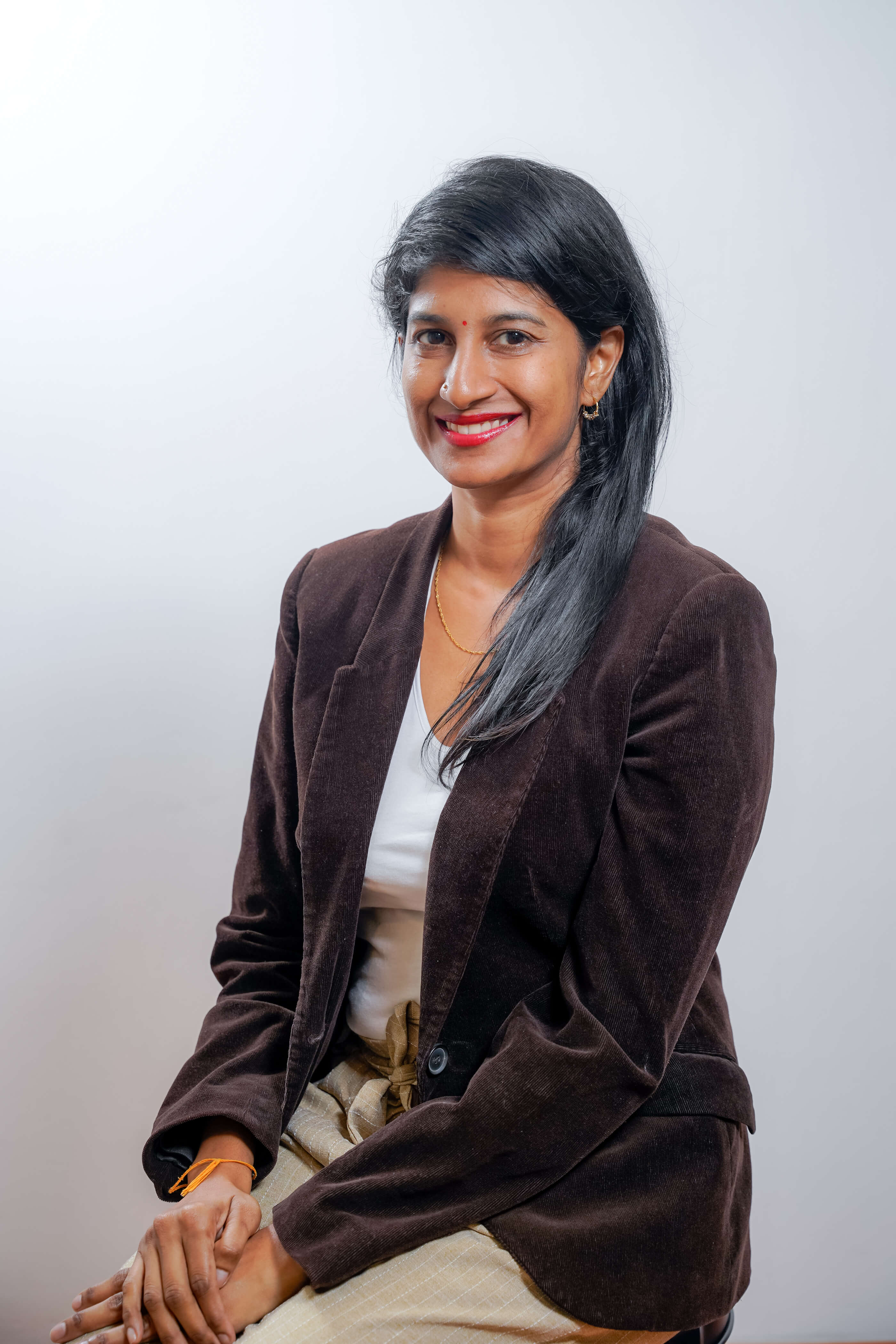
International Women’s Day 2026, themed “Rights. Justice. Action. For ALL Women and Girls,” brings forth that gender equality is not only a social issue, but also an economic one. When women are given equal opportunities to lead and succeed, businesses perform better and economies grow stronger.
Across Malaysia and the wider ASEAN region, women have long played an important role in business and economic life. Many run small enterprises, manage family businesses, or lead teams within growing companies. These contributions often happen quietly, but they form a critical part of the region’s economic strength.
In Malaysia, women own or co-own about one in five registered businesses, according to the Department of Statistics Malaysia. Across ASEAN, women are also heavily involved in the micro, small and medium enterprise (MSME) sector. These businesses make up more than 90% of companies in the region and provide a large share of employment.
Despite these contributions, women are still less visible in the top leadership positions of many companies, particularly in finance and corporate sectors. The World Economic Forum’s Global Gender Gap Report 2024 estimates that women hold about one-third of senior leadership roles globally. The situation in ASEAN reflects similar trends.
Why does this matter? Because companies benefit when leadership teams reflect different perspectives. Research by McKinsey & Company shows that organisations with gender-diverse leadership teams are 25% more likely to outperform their competitors financially. Diverse leadership often leads to better decision-making, stronger risk management, and more balanced governance.
In Malaysia, there have been encouraging steps to address this gap. The Securities Commission Malaysia has encouraged public listed companies to work towards 30% representation of women on corporate boards. At the same time, the financial and business landscape in ASEAN is changing rapidly. New sectors such as fintech, digital banking, sustainable finance, and impact investment are transforming how businesses operate and how capital flows through the economy.
Not-for-profit organisations such as Women in Artificial Intelligence (WAI) provide platforms where women can connect, share knowledge, and contribute to conversations about emerging technologies and responsible innovation while other like 30% Club help raise awareness about the importance of women’s leadership in boardrooms and executive positions while These networks help ensure that women are not just participants in the digital economy, but also lead and shape its direction.
The economic benefits of empowering women are clear. According to the International Finance Corporation, closing gender gaps in economic participation could add up to US$12 trillion to global GDP. For ASEAN, which is expected to become the world’s fourth-largest economy by 2030, unlocking the potential of women in business and finance will be essential.
Empowering women in leadership is not just about fairness. It is about strengthening organisations, encouraging better governance, and building more resilient economies. International Women’s Day reminds us that progress requires more than recognition, it requires action. By creating opportunities for women to lead in finance and business, ASEAN can build a future that is more inclusive, more innovative, and more economically sustainable.